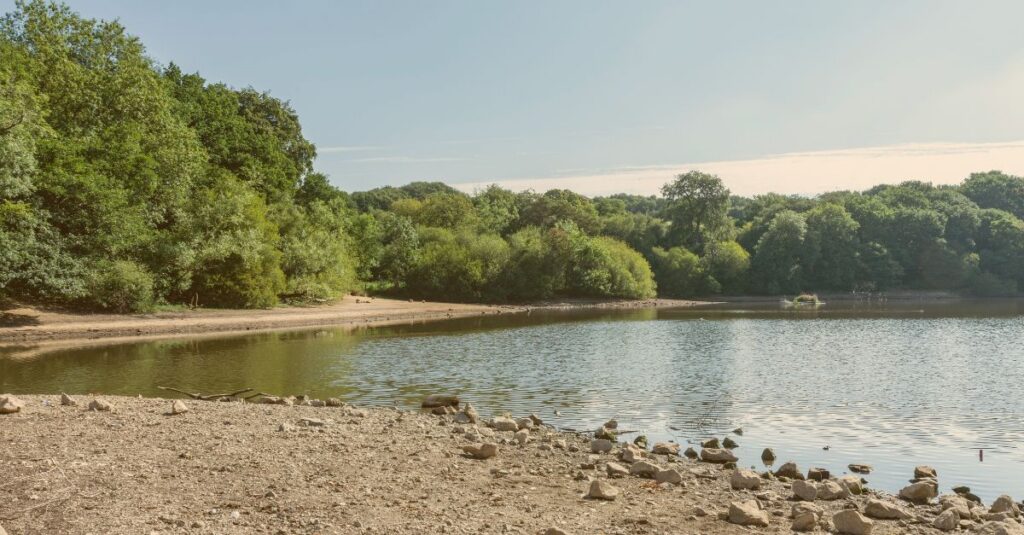
Algal blooms are a natural part of aquatic ecosystems, but they’re becoming more frequent and harder to manage.
For water companies tasked with delivering safe, wholesome drinking water, algal blooms are more than just a seasonal nuisance, they’re a growing operational and reputational risk.
They can expose the limits of ageing assets, reactive monitoring and tight operational margins.
So how can water companies stay ahead of the problem? In this blog, we explore how rich datasets and intelligent AI can provide crucial early warning before blooms escalate.
Why Are Algal Blooms Increasing?
An increase in algal blooms can be linked to a combination of nutrient pollution and climate change.
Fertilisers, livestock manure and other agricultural runoff wash nitrogen and phosphorus into rivers and lakes, enriching the water and fuelling eutrophication – a key driver of bloom growth.
Rising water temperatures and changing rainfall patterns mean this is happening more frequently and intensely, creating ideal conditions for blooms to grow rapidly.
Not All Blooms Are Harmful, But All Carry Risk
Not every algal bloom is dangerous, but even harmless blooms can compromise the wholesomeness of drinking water, affecting taste, odour and appearance.
Harmful algal blooms (HABs), however, produce toxins that can impact human and animal health and put extra pressure on treatment processes.
Even non-toxic blooms can become costly to manage if left unchecked. That’s why early monitoring and intervention are so important. Spotting problems before they escalate can make all the difference.
The Economic Costs of Harmful Algal Blooms (HABs)
HABs also carry significant economic and social costs. In Northern Ireland, Lough Neagh’s recurring blooms have affected ecosystems and livelihoods, with commercial eel fishing suspended and local fishers reporting income declines of around 60% since 2023 (The Guardian, 2025).
In England and Wales, freshwater eutrophication (the nutrient enrichment of rivers and lakes that drives algal blooms) is estimated to cost £75–114 million per year in environmental damage, plus £55 million in policy and emergency response (ACS Publications).
In the United States, HABs are estimated to cost $10–100 million annually, with major events far exceeding that figure (NCCOS).
Globally, blooms such as South Australia’s 2025 event, which killed over 34,000 marine animals, highlight the wider ecological and economic impact (Sky News Australia, 2025).
These examples show the serious consequences of bloom escalation and the need for proactive monitoring and predictive insight. Early detection is not just an operational convenience, in cases like these, it’s essential for protecting water quality, ecosystems and communities.
Why Early Detection Matters
Early detection isn’t about raising alarms; it’s about staying in control.
If a bloom is spotted or predicted early, water companies could undertake early intervention measures, preventing small problems from growing into costly crises. Traditional monitoring is often slow and reactive, leaving teams responding after blooms have already developed.
Reliable, timely early risk signals allow confident intervention decisions to be made, helping to maintain safe, wholesome water and public trust.
A Smarter, Predictive Approach
As blooms become more frequent, the question is no longer if they will occur, but how effectively we can anticipate and manage them.
At Kohtari, we work with water companies to operationalise predictive intelligence for algal bloom monitoring. Our approach moves beyond reactive alerts by combining historical and real-time data into a continuously learning, AI-driven foundation model.
This enables organisations to intervene earlier, optimise resource use and reduce the pressure of emergency responses.
Looking Ahead
Algal blooms are a growing global challenge, but proactive measures can help better mitigate their impact.
By investing in foresight today, water companies can turn data into meaningful action and build resilience for the future.
If you’d like to know more about our algal bloom solution, drop us a message to book a demo of our platform.